
The BEST Prime Rib Rub | Rib roast recipe
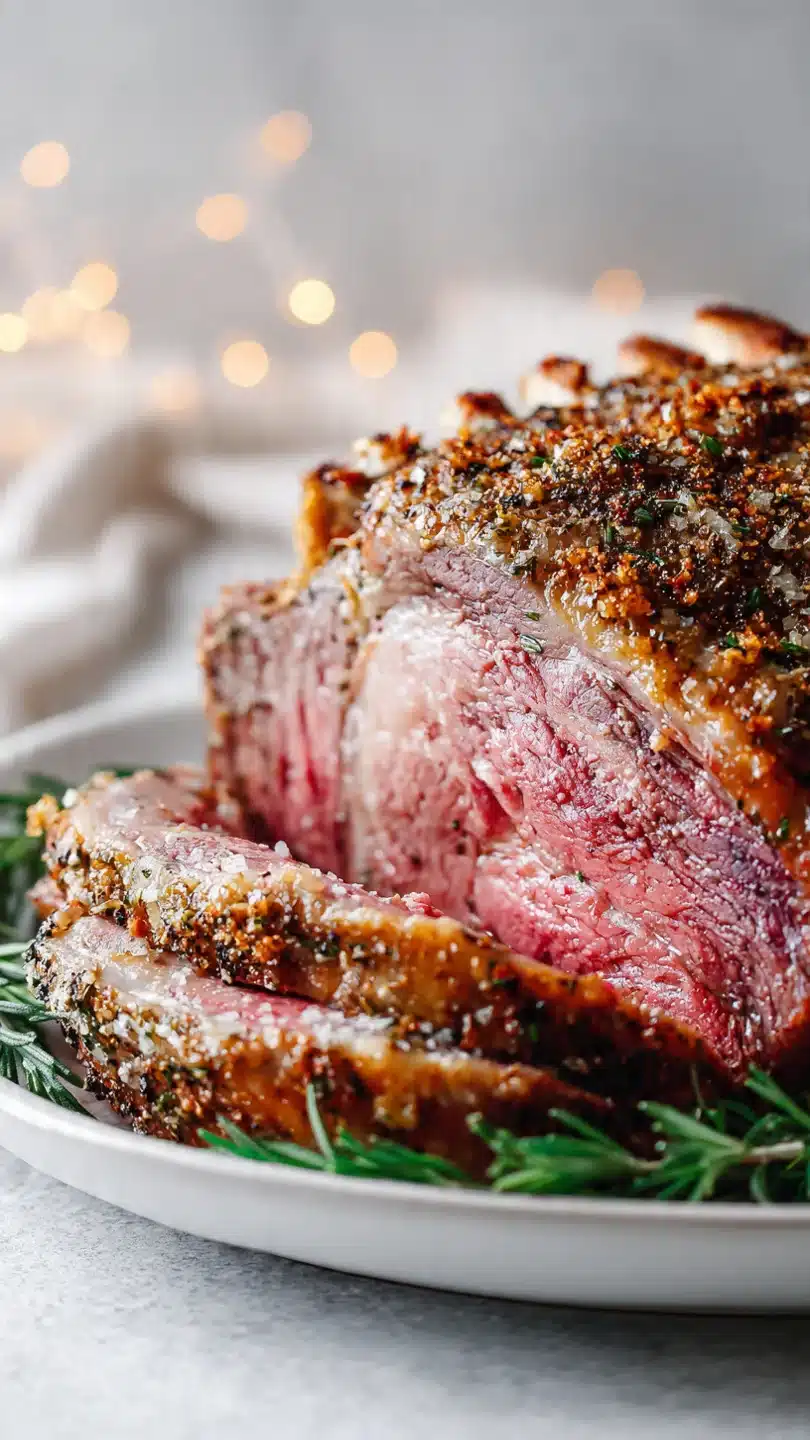
The aroma of a perfectly roasted prime rib is enough to make anyone’s mouth water. Imagine slicing into a tender, juicy rib roast, its crust crackling with flavor from the best prime rib rub you’ve ever tried. This recipe is perfect for holiday gatherings or special occasions when you want to impress your guests with a show-stopping main course.
The secret to achieving that succulent, flavorful roast lies in the perfect blend of spices and a meticulous cooking technique. Let’s dive into how you can create the ultimate prime rib experience at home.
- Flavor Explosion: The combination of herbs and spices creates a robust, savory crust that complements the rich flavor of the beef.
- Juicy and Tender: Using the high-low temperature roasting method ensures a perfectly cooked interior that’s moist and tender.
- Easy to Customize: You can adjust the heat level or herb profile to suit your taste preferences.
- Impressive Presentation: This rib roast recipe will make you the star of any dinner party or holiday feast.
- Simple Ingredients: Made with pantry staples, this prime rib rub is easy to prepare yet delivers gourmet results.
- Diet-Friendly: Keto and paleo-friendly, making it suitable for a variety of dietary needs.
Ingredients You’ll Need
Let’s gather our ingredients—these simple pantry staples create magic together, transforming your prime rib into a culinary masterpiece.
For the Prime Rib Rub:- Kosher salt: Essential for seasoning and enhancing the natural flavors of the meat.
- Black pepper: Freshly ground for a bold, aromatic kick.
- Garlic powder: Adds a deep, savory note without the moisture of fresh garlic.
- Onion powder: Enhances the overall flavor profile with its sweet and savory taste.
- Dried rosemary: Crushed to release its piney, earthy aroma.
- Dried thyme: Contributes a subtle, herbaceous flavor.
- Smoked paprika: Provides a smoky depth that complements the beef.
- Cayenne pepper: Optional, for those who enjoy a bit of heat.
When selecting your ingredients, opt for high-quality spices to ensure the best flavor. For the salt, I recommend using Diamond Crystal Kosher Salt for its pure taste and easy-to-control grain size. If you’re looking for a substitution, you could use sea salt, but adjust the quantity to taste as it can be more potent.

Note: You’ll find the complete list of ingredients, along with their exact measurements, in the printable recipe card at the bottom of this post.
Kitchen Equipment Needed
To make this prime rib rub and roast the perfect rib roast, you’ll need:
- Roasting pan with rack: Essential for even cooking and air circulation around the roast.
- Meat thermometer: Crucial for monitoring the internal temperature to achieve your desired doneness.
- Mixing bowl: For combining the rub ingredients.
- Measuring spoons: To ensure precise measurements of the spices.
A digital meat thermometer is highly recommended as it provides accurate readings and can be inserted into the roast without opening the oven frequently.
How to Make The BEST Prime Rib Rub Recipe
Step 1: Mix the Rub
In a small bowl, combine the kosher salt, black pepper, garlic powder, onion powder, dried rosemary, dried thyme, smoked paprika, and optional cayenne pepper. Mix thoroughly to ensure the spices are evenly distributed. Trust me, this step is crucial for a consistent flavor profile.
Step 2: Prepare the Roast
Pat the prime rib roast dry with paper towels. This helps the rub adhere better to the meat, ensuring a flavorful crust. Believe me, a dry surface is key to that perfect sear.
Step 3: Apply the Rub
Generously apply the rub all over the roast, pressing it into the meat to form a crust. Tip from me: don’t be shy with the seasoning; the more, the merrier!
Step 4: Let it Rest
Let the seasoned roast sit at room temperature for about an hour before cooking. This allows the flavors to penetrate the meat, enhancing its taste. Now comes the fun part—watching the flavors meld together.
Step 5: Preheat and Sear
Preheat your oven to 450°F (230°C). Place the roast on a rack in a roasting pan, fat side up. Roast for 15 minutes at this high temperature to sear the outside.
This step locks in the juices and creates that delicious crust.
Step 6: Roast to Perfection
Reduce the oven temperature to 325°F (160°C) and continue roasting until the internal temperature reaches your desired doneness, typically 120°F (49°C) for rare, 130°F (54°C) for medium-rare, or 140°F (60°C) for medium. This should take about 15-20 minutes per pound. Keep an eye on the thermometer and pull it out when it’s just shy of your target temperature, as it will continue to cook while resting.
Step 7: Rest and Serve
Remove the roast from the oven and let it rest for 20-30 minutes before carving. This allows the juices to redistribute, ensuring a moist and flavorful prime rib. Step back and admire your masterpiece before slicing and serving.
Pro tip: For an even more flavorful roast, let the seasoned prime rib sit in the refrigerator overnight. This allows the spices to penetrate deeper into the meat, enhancing the overall taste. Temperature matters: Use a digital meat thermometer to monitor the internal temperature accurately. Insert it into the thickest part of the roast, avoiding the bone, for the most precise reading. Resting is key: Never skip the resting period. This step is crucial for a juicy prime rib as it allows the meat fibers to relax and redistribute the juices. Avoid overcooking: Prime rib is best enjoyed medium-rare to medium. If you prefer it more well-done, be cautious not to overcook it, as it can become tough. Visual cues for doneness: Look for a deep brown crust on the outside and a slightly pink center for medium-rare. The roast should feel firm to the touch but still have some give.Recipe Variations & Customizations
- Herb Infusion: Add fresh herbs like rosemary and thyme to the rub for an extra burst of flavor. Simply chop the herbs finely and mix them in with the other spices.
What to Serve With This Recipe
Pair your prime rib with classic sides like creamy mashed potatoes or roasted root vegetables. A fresh, crisp salad with a tangy vinaigrette can balance the richness of the roast. For a more indulgent meal, serve with a rich, buttery Yorkshire pudding.
Don’t forget a robust red wine like Cabernet Sauvignon or a full-bodied Pinot Noir to complement the flavors of the beef. This dish is perfect for holiday feasts, special occasions, or any time you want to treat yourself and your loved ones to a luxurious meal.
Storage & Make-Ahead Instructions
- Store any leftover prime rib in an airtight container in the refrigerator for up to 3-4 days. For longer storage, wrap the roast tightly in plastic wrap and aluminum foil, then freeze for up to 3 months. To reheat, thaw in the refrigerator overnight and warm gently in a low oven (around 250°F or 120°C) until heated through. Avoid using a microwave, as it can dry out the meat. For make-ahead convenience, you can season the roast with the rub the day before and let it sit in the refrigerator overnight. This enhances the flavor and makes your prep time on cooking day much easier.
Nutritional Benefits
- Prime rib is a rich source of high-quality protein, essential for muscle growth and repair. It also contains important nutrients like iron, zinc, and B vitamins, which support overall health and well-being. The herbs and spices in the rub, such as rosemary and thyme, offer antioxidant properties that can contribute to a healthy diet. For those watching their calorie intake, you can trim excess fat from the roast before cooking to reduce the calorie content slightly.
Frequently Asked Questions
Q: Can I make this ahead of time?
A: Yes, you can season the roast with the rub the day before and let it sit in the refrigerator overnight. This enhances the flavor and makes your prep time on cooking day much easier.
Q: What substitutions can I use for the spices?
A: You can use fresh herbs instead of dried, but use them in larger quantities (about three times the amount). For a different flavor profile, try using smoked salt instead of kosher salt.
Q: How do I know when the prime rib is done?
A: Use a meat thermometer to check the internal temperature. Aim for 120°F (49°C) for rare, 130°F (54°C) for medium-rare, or 140°F (60°C) for medium. Let it rest after cooking to reach your desired doneness.
Q: Can I freeze the prime rib?
A: Yes, wrap the cooked and cooled roast tightly in plastic wrap and aluminum foil, then freeze for up to 3 months. Thaw in the refrigerator before reheating.
Q: How can I adjust the flavor of the rub?
A: Increase or decrease the amount of cayenne pepper for more or less heat. You can also add other herbs like sage or oregano to suit your taste.
Q: What if I don’t have a roasting rack?
A: You can use a makeshift rack by placing the roast on a bed of vegetables like carrots and onions. This also adds flavor to the roast.
Q: Can I use this rub on other cuts of beef?
A: Absolutely! This rub works well on other roasts like a standing rib roast or even on steaks for grilling.
Recipe Origin or History
The prime rib roast has a long history, dating back to medieval times when it was a favorite among the nobility. In the United States, it became popular in the 20th century, especially during holiday feasts. This recipe’s rub is a modern take on traditional seasoning, designed to enhance the natural flavors of the beef while adding a gourmet touch.
Final Thoughts
This prime rib rub recipe is the key to creating a succulent, flavorful rib roast that will be the highlight of any meal. The combination of herbs and spices, along with the high-low roasting method, ensures a perfect crust and tender, juicy interior. Whether you’re hosting a holiday dinner or simply want to treat yourself, this recipe is sure to impress.
Give it a try and let me know how it turns out! Don’t forget to share your results on social media and rate the recipe. And while you’re at it, explore more of my recipes for other culinary delights.
Enjoy your prime rib feast!
The BEST Prime Rib Rub
Ingredients
Equipment
Method
- Combine all the ingredients in a small bowl, mixing thoroughly to ensure even distribution of the spices.
- Pat the prime rib roast dry with paper towels. This helps the rub adhere better to the meat.
- Generously apply the rub all over the roast, pressing it into the meat to form a crust.
- Let the seasoned roast sit at room temperature for about an hour before cooking. This allows the flavors to penetrate the meat.
- Preheat your oven to 450°F (230°C). Place the roast on a rack in a roasting pan, fat side up. Roast for 15 minutes at this high temperature to sear the outside.
- Reduce the oven temperature to 325°F (160°C) and continue roasting until the internal temperature reaches your desired doneness, typically 120°F (49°C) for rare, 130°F (54°C) for medium-rare, or 140°F (60°C) for medium. This should take about 15-20 minutes per pound.
- Remove the roast from the oven and let it rest for 20-30 minutes before carving. This allows the juices to redistribute, ensuring a moist and flavorful prime rib.


