
Best strawberry shortcake recipe
There’s a moment of pure, simple joy when you break into a perfect strawberry shortcake. It’s not just a dessert; it’s a celebration of the season’s best berries, cradled by a tender, buttery biscuit and cloud-like cream. As a chef, I’ve tasted countless versions, from overly sweet sponge cakes to dense, dry scones masquerading as shortcake.
After years of testing, I’ve refined the formula to what I believe is the ultimate balance: a biscuit that’s flaky yet sturdy enough to hold juicy berries, fruit that sings with its own natural syrup, and whipped cream that’s barely sweetened. This recipe delivers that classic, nostalgic flavor with professional techniques to guarantee your success. Let’s make a dessert that will have everyone asking for seconds.
- Perfect Biscuit Texture: The secret is in the cold fat and minimal handling, resulting in a biscuit that’s tender and flaky, not dense or cakey.
- Maximized Strawberry Flavor: Macerating the berries with sugar isn’t just for syrup; it intensifies their sweetness and creates a luxurious, juicy topping.
- Quick & Simple Process: From bowl to table in about 40 minutes, with straightforward steps that are perfect for bakers of any level.
- Celebrates Fresh Ingredients: This recipe puts the spotlight on quality strawberries and real dairy, with no artificial flavors or complicated components.
- Endlessly Customizable: Easily adapt the biscuits with citrus zest or spices, and swap the berries for other seasonal fruits.
- Make-Ahead Friendly: You can prepare each component ahead of time and assemble just before serving for stress-free entertaining.
Ingredients You’ll Need
Let’s gather our ingredients—this is where quality truly matters. For the best strawberry shortcake, you don’t need a long list, but you do need the right staples. The magic happens with simple, fresh components.
For the star of the show, choose strawberries that are fragrant and deeply red. They should smell like strawberries even before you slice them. The granulated sugar for macerating works with the berries’ natural pectin to create that beautiful syrup.
For the biscuits, all-purpose flour measured correctly (spooned and leveled, not scooped!) ensures proper structure. Baking powder is our leavening agent, so make sure yours is fresh for maximum lift. A touch of kosher salt balances all the sweetness.
The key to flakiness is cold fat. Use high-fat, unsalted butter straight from the fridge, and the same goes for the heavy cream in the dough. For the topping, another batch of heavy whipping cream will whip up into soft, luxurious peaks.
A whisper of powdered sugar and pure vanilla extract in the cream adds just enough sweetness and depth. Trust me, the simplicity here is its strength.

Note: You’ll find the complete list of ingredients, along with their exact measurements, in the printable recipe card at the bottom of this post.
Kitchen Equipment Needed
You likely have everything you need already. A large mixing bowl and a pastry cutter or fork are essential for cutting the cold butter into the flour. A 3-inch round biscuit cutter gives you the classic shape, but the rim of a sturdy glass works in a pinch.
You’ll need a baking sheet lined with parchment paper for easy cleanup and even baking. For the whipped cream, a stand mixer or hand mixer makes quick work of it, though a sturdy whisk and a chilled bowl will also do the trick. Having everything measured and ready (your mise en place) before you start makes the process smooth and enjoyable.
How to Make Strawberry Shortcake Recipe
Step 1: Macerate the Strawberries
This first step is where we build the foundation of flavor. In a medium bowl, combine your hulled and sliced strawberries with a quarter cup of granulated sugar. Gently stir them together until the sugar begins to dissolve and coat the berries.
Then, just walk away. Let them sit at room temperature for at least 30 minutes. During this time, the sugar pulls the moisture from the berries through osmosis, creating a gorgeous, ruby-red syrup and intensifying their sweetness.
Believe me, this simple technique is what separates a good shortcake from a great one.
Step 2: Prepare the Biscuit Dough
While the berries work their magic, preheat your oven to a hot 425°F (220°C). This high heat is crucial for creating a quick burst of steam from the cold butter and cream, which gives our biscuits their lift and flaky layers. In a large bowl, whisk together the dry ingredients: flour, the remaining sugar, baking powder, and salt.
Add the cold, cubed butter. Using a pastry cutter or your fingertips, work the butter into the flour until the mixture looks like coarse sand with visible pea-sized bits of butter. These butter pockets are your ticket to flakiness.
Step 3: Form and Cut the Biscuits
Now, make a well in the center of your flour-butter mixture. Pour in the three-quarters cup of cold heavy cream all at once. Use a fork to gently stir just until a shaggy, slightly sticky dough comes together.
Tip from me: the moment it holds together, stop mixing. Overworking develops gluten and leads to tough biscuits. Turn the dough out onto a lightly floured surface and gently pat—don’t roll—it into a rectangle about 1-inch thick.
Use a floured biscuit cutter to press straight down without twisting. Twisting seals the edges and inhibits rise.
Step 4: Bake to Golden Perfection
Place your cut biscuits on the parchment-lined baking sheet. You can place them close together for softer sides, or with space for crisper edges. Lightly brush the tops with a little extra cream—this promotes browning—and sprinkle with a pinch of sugar for a subtle, sparkling crunch.
Bake them for 13 to 15 minutes. You’re looking for a beautiful, even golden brown on top and bottom, and they should feel light when picked up. Let them cool on the sheet for just a few minutes; they are best served warm.
Step 5: Whip the Cream and Assemble
This is the fun part. Pour your remaining cup of cold heavy whipping cream into a chilled bowl. Add the powdered sugar and vanilla.
Whip with a mixer until soft peaks form—this means the cream holds its shape but the tip gently curls over when you lift the whisk. To assemble, split a warm biscuit with a fork. Spoon a generous amount of the macerated strawberries and their incredible syrup over the bottom half.
Top with a fluffy dollop of your freshly whipped cream. Place the biscuit top on gently, maybe with an extra berry on top for garnish. Step back and admire your creation, then serve immediately.
- Keep Everything Cold: The single most important tip for flaky biscuits is temperature. Your butter and cream must be cold. I even chill my flour and bowl on a very hot day. The cold butter creates steam pockets in the hot oven, which is what creates those desirable flaky layers.
- Handle the Dough Minimally: When combining the wet and dry ingredients, mix just until the dough comes together. When patting it out, use a gentle touch. Overworking the dough develops the gluten in the flour, resulting in a tough, chewy biscuit instead of a tender, flaky one.
- Don’t Twist the Cutter: When cutting your biscuits, press the cutter straight down and lift it straight up. Twisting the cutter compresses and seals the edges of the dough, which prevents the biscuits from rising properly in the oven.
- Test Baking Powder Freshness: If your biscuits don’t rise well, your baking powder may be old. To test it, stir half a teaspoon into a cup of hot water. If it doesn’t bubble vigorously, it’s time for a new can.
- Serve Immediately for Best Texture: Assemble the shortcakes right before serving. The biscuits will start to soften from the berry juices after about 10-15 minutes. If you need to prep ahead, keep all components separate and assemble at the last moment.
Recipe Variations
- Lemon Zest Shortcake: Add the finely grated zest of one lemon to the dry ingredients when making the biscuit dough. The bright, citrusy note cuts through the richness beautifully and complements the strawberries.
- Cornmeal Biscuits: For a delightful texture and subtle flavor, replace 1/2 cup of the all-purpose flour with an equal amount of fine-ground yellow cornmeal. This adds a slight crunch and a rustic, sweet corn flavor.
- Mixed Berry Medley: While strawberries are classic, you can use this same macerating technique with a mix of raspberries, blackberries, and blueberries. Gently crush a few berries to help release their juices.
- Balsamic Strawberries: Add 1-2 teaspoons of high-quality balsamic vinegar to the strawberries as they macerate. The acidity and complex sweetness of the vinegar elevate the berries to a gourmet level.
- Vegan & Dairy-Free: Use a high-fat, cold vegan butter and full-fat coconut cream (chilled) in the biscuits. For the topping, whip the solid part of a can of chilled coconut cream with a little maple syrup.
- Gluten-Free Biscuits: Substitute the all-purpose flour with a 1:1 gluten-free baking blend that contains xanthan gum. The dough may be slightly more delicate, so handle with extra care.
- Herbed Shortcake (Savory Twist): Omit the sugar from the biscuit dough and add 2 tablespoons of fresh chopped thyme or chives. Top with macerated strawberries and a black pepper-infused whipped cream for an stunning appetizer or cheese course pairing.
What to Serve With This Recipe
Strawberry shortcake is a glorious standalone dessert, but it can anchor a beautiful menu. For a classic summer barbecue, serve it after grilled chicken or burgers and corn on the cob. It’s the perfect finale to a light lunch like a quiche or a big garden salad.
For a more elegant dinner party, consider starting with a prosciutto-wrapped melon or a chilled soup, followed by a simple herb-roasted salmon, and then present the shortcakes for dessert.
Beverage pairings are a joy here. A glass of cold, crisp Prosecco or Champagne plays wonderfully with the sweet berries and cream. For a non-alcoholic option, sparkling water with a splash of lemon or a fresh mint iced tea are refreshing choices.
If you’re a coffee or tea drinker, a medium-roast coffee or an Earl Grey tea makes a lovely, comforting end to the meal.
Storage & Make-Ahead Instructions
- Storing Components Separately: The macerated strawberries can be stored in an airtight container in the refrigerator for up to 2 days. The syrup will thicken slightly as it chills. The biscuit dough can be cut, placed on a baking sheet, and frozen solid, then transferred to a freezer bag for up to 1 month. Bake from frozen, adding 2-3 minutes to the baking time. Baked biscuits can be stored in an airtight container at room temperature for 1 day or frozen for up to 1 month. Reheat in a 350°F oven for 5-8 minutes to refresh.
- Whipped Cream: Fresh whipped cream is best made the day you serve it. For a make-ahead option, you can stabilize it by adding a teaspoon of cornstarch or by using a product like Whip It. Store it in the fridge.
- Assembled Shortcakes: I do not recommend storing fully assembled shortcakes. The biscuits will become unpleasantly soggy. The beauty of this recipe is in the last-minute assembly of the warm biscuit, cool berries, and fresh cream.
- Freezing: You can freeze the baked and cooled biscuits successfully. Thaw at room temperature and warm in the oven before assembling. Do not freeze the macerated berries or whipped cream.
Frequently Asked Questions
Q: Can I use frozen strawberries?
A: I don’t recommend it for the best texture. Frozen strawberries release too much water when thawed, creating a watery syrup and making the biscuits soggy very quickly. Fresh, in-season berries are key.
Q: My biscuits didn’t rise very much. What went wrong?
A: The most common culprits are old baking powder, overworking the dough, or using butter and cream that weren’t cold enough. Ensure your baking powder is fresh by testing it, handle the dough as little as possible, and keep your ingredients chilled.
Q: Can I make the dough in a food processor?
A: Yes, but be extremely careful. Pulse the dry ingredients and cold butter until just crumbly. Transfer to a bowl, then stir in the cream by hand.
It’s very easy to over-process the dough in a food processor, leading to tough biscuits.
Q: What’s the difference between shortcake and a biscuit?
A: In this classic American dessert, “shortcake” refers specifically to a slightly sweetened, rich biscuit. It’s “short” due to its high fat content (which inhibits gluten formation), making it tender and crumbly, unlike a dinner biscuit which is often less sweet.
Q: Can I use store-bought whipped cream or cool whip?
A: You can, but the flavor and texture won’t be the same. Homemade whipped cream has a pure, clean dairy flavor and a light, airy texture that complements the dessert perfectly. It takes only 2 minutes to make and is worth the effort.
Q: How do I know when the whipped cream is at “soft peaks”?
A: When you lift the beaters or whisk out of the cream, the peak that forms should hold its shape but the very tip will curl over gently. If it stands straight up, it’s at stiff peaks, which is a bit too firm for this application.
Q: Can I make this recipe gluten-free?
A: Absolutely. Use a reliable 1:1 gluten-free flour blend that contains xanthan gum (like Bob’s Red Mill or King Arthur). The dough may be a bit more delicate, so handle it gently when patting it out.
Final Thoughts
This strawberry shortcake recipe represents everything I love about dessert: honoring magnificent seasonal produce with a simple, technically sound method that lets the ingredients shine. It’s a recipe built on professional principles—cold fat, a light hand, and a focus on texture—but designed for your home kitchen. When you bring that first forkful to your mouth, with the tender crumb of the warm biscuit, the burst of sweet-tart berry juice, and the cool, creamy topping, you’ll understand why this classic has endured.
I encourage you to make this for your next gathering, or even just a quiet weeknight treat. Use it as a template—try the variations, play with different fruits as the seasons change, and make it your own. After 15 years in kitchens, the dishes that resonate most are often the simplest, executed with care.
I hope this recipe becomes a cherished part of your repertoire. If you make it, I’d love to hear how it turned out! Share your creations online and tag me.
Happy baking
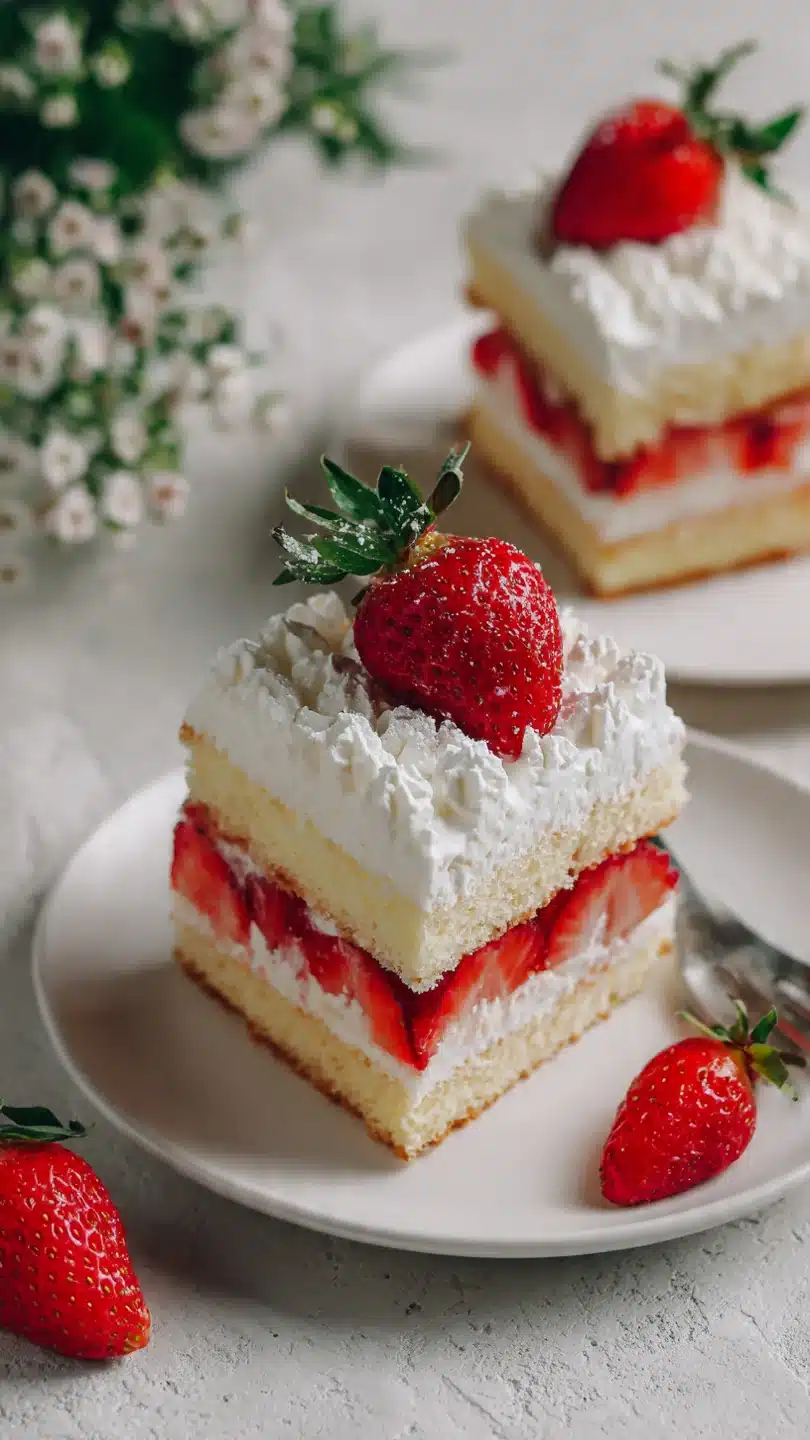
Classic Strawberry Shortcake
Ingredients
Equipment
Method
- In a medium bowl, combine the sliced strawberries and 1/4 cup granulated sugar. Stir gently, then set aside to macerate for at least 30 minutes. This draws out the berries’ natural juices to create a delicious syrup.
- Preheat your oven to 425°F (220°C) and line a baking sheet with parchment paper. In a large bowl, whisk together the flour, 2 tablespoons of sugar, baking powder, and salt. Add the cold, cubed butter and use a pastry cutter or your fingertips to work it into the flour until the mixture resembles coarse crumbs with some pea-sized pieces of butter remaining.
- Make a well in the center of the flour mixture and pour in the 3/4 cup of cold heavy cream. Use a fork to gently stir just until a shaggy dough forms. Turn the dough out onto a lightly floured surface and gently pat it into a 1-inch thick rectangle.
- Using a floured 3-inch round biscuit cutter, press straight down (do not twist) to cut out biscuits. Gently re-pat the scraps to cut more biscuits; you should get 6. Place them on the prepared baking sheet, brush the tops lightly with cream, and sprinkle with a pinch of sugar. Bake for 13-15 minutes until golden brown and puffed. Let cool slightly.
- While the biscuits cool, make the whipped cream. In a chilled bowl, combine the cold heavy whipping cream, powdered sugar, and vanilla. Whip with a hand mixer or whisk until soft peaks form. To assemble, split a warm biscuit, spoon a generous amount of macerated strawberries and their juices over the bottom half, top with a dollop of whipped cream, and crown with the biscuit top.


