
potato and cabbage soup
There’s a particular kind of comfort found in a bowl of humble, hearty soup. It’s the culinary equivalent of a warm blanket on a chilly day—nourishing, straightforward, and deeply satisfying. This potato and cabbage soup is exactly that.
Born from the most economical and sturdy winter vegetables, it transforms simple pantry staples into a meal that feels both rustic and refined. In my years in professional kitchens, I’ve learned that the best dishes often have the fewest ingredients, where technique and care coax out maximum flavor. This soup is a perfect example: sweet cabbage, earthy potatoes, and aromatic vegetables simmered into a savory, brothy harmony.
It’s the kind of recipe you’ll return to again and again for its reliability, its warmth, and its delicious proof that you don’t need fancy ingredients to make a fantastic meal.
This soup earns a permanent spot in your recipe rotation for more reasons than just its simplicity.
- One-Pot Wonder: From sautéing to simmering, everything happens in a single Dutch oven, meaning minimal cleanup and maximum flavor layering.
- Budget-Friendly Brilliance: Built on inexpensive, long-lasting vegetables, this is a meal that feeds a crowd without straining your grocery budget.
- Deep, Comforting Flavor: Sautéing the cabbage first unlocks its natural sweetness, which balances beautifully with the savory broth and hearty potatoes.
- Meal-Prep Friendly: It stores and reheats beautifully, tasting even better the next day, making it ideal for weekly lunches or easy dinners.
- Endlessly Customizable: The base recipe is a perfect canvas. Add sausage, beans, different herbs, or a swirl of cream to make it your own.
- Nutrient-Dense Comfort: Packed with vitamins from the cabbage and fiber from the potatoes and carrots, it’s comfort food you can feel good about.
Ingredients You’ll Need
- Let’s gather our ingredients. This is where the magic starts—transforming a short list of humble vegetables into a pot of gold. The key is building layers of flavor, starting with a classic mirepoix (onion, carrot, celery) as our aromatic base.
- Yellow Onion, Carrots & Celery: This trio forms the essential flavor foundation. Dice them uniformly for even cooking.
- Green Cabbage: Look for a firm, heavy head with crisp, vibrant outer leaves. The thin slicing is crucial; it ensures the cabbage wilts properly and integrates seamlessly into the soup.
- Yukon Gold Potatoes: My preferred variety here. Their waxy yet creamy texture holds its shape during simmering while also releasing just enough starch to gently thicken the broth. Russets can fall apart too easily.
- Broth: A good-quality, low-sodium vegetable or chicken broth is the backbone. I recommend tasting your broth first; if it’s very salty, you’ll need to adjust the added salt in the recipe.
- Apple Cider Vinegar: Don’t skip this final touch! A tablespoon brightens the entire pot, cutting through the earthiness and making all the other flavors pop. Fresh lemon juice works beautifully too.

Note: You’ll find the complete list of ingredients, along with their exact measurements, in the printable recipe card at the bottom of this post.
Kitchen Equipment Needed
You don’t need specialized gear for this recipe, just a few reliable basics.
- Large Dutch Oven or Soup Pot (5-6 quart): A heavy-bottomed pot is essential for even heat distribution, preventing the vegetables from scorching during the initial sauté.
- Sharp Chef’s Knife: You’ll be doing a fair bit of chopping. A sharp knife makes prep faster, safer, and gives you uniform pieces for even cooking.
- Wooden Spoon: Perfect for stirring without scratching your pot’s surface.
- Ladle: For serving your beautiful soup into bowls.
How to Make Potato and Cabbage Soup Recipe
Step 1: Build Your Flavor Foundation
Heat your oil or butter in the large pot over medium heat. Add your diced onion, carrots, and celery. Cook them, stirring occasionally, for a good 6-8 minutes.
You’re not looking for color here, but for the vegetables to soften and sweeten. The onion should become translucent. This step, called sweating, is where you build a deep base of flavor.
In the last minute, stir in the minced garlic until its fragrance fills your kitchen—this prevents it from burning and turning bitter.
Step 2: Wilt the Cabbage
Now, add the entire mountain of thinly sliced cabbage. Believe me, it will seem like too much, but it wilts down dramatically. Stir it into the other vegetables and let it cook for 5-7 minutes.
You’ll see it soften, become glossy, and reduce in volume by about half. This crucial step concentrates the cabbage’s flavor, transforming it from raw and pungent to sweet and mellow, which is the secret to a truly great soup.
Step 3: Simmer to Perfection
Add the cubed potatoes, broth, bay leaves, thyme, and your initial seasoning of salt and pepper. Tip from me: always season in layers. Bring the pot to a lively boil, then immediately reduce the heat to low so the soup simmers gently.
A rolling boil can break the potatoes apart. Partially cover the pot with a lid—this allows some steam to escape and prevents the broth from reducing too much while the potatoes cook through.
Step 4: Develop the Harmony
Let the soup bubble away gently for 20-25 minutes. This is where the magic happens. The potatoes will become fork-tender, and their starch will begin to lightly thicken the surrounding broth.
The flavors of the broth, herbs, and vegetables will meld into one cohesive, savory whole. Use this time to set the table or slice some bread. Your kitchen will smell incredible.
Step 5: The Final, Critical Touch
Once the potatoes are perfectly tender, remove the pot from the heat. Fish out and discard the bay leaves. Now, stir in that tablespoon of apple cider vinegar or lemon juice.
Trust me on this—this is the professional trick that separates a good soup from a great one. The acid doesn’t make the soup taste sour; it acts as a flavor brightener, lifting and balancing all the earthy, savory notes. Taste and be fearless with your final seasoning adjustments.
Step 6: Serve and Savor
Ladle the steaming soup into deep bowls. Garnish with a generous sprinkle of fresh, green herbs—parsley for brightness or dill for a lovely, anise-like note. For extra richness, a dollop of sour cream or a drizzle of good olive oil is divine.
Serve it immediately with thick slices of crusty bread for dipping into the savory broth. Step back and admire your creation: a pot of pure, simple comfort.
A few insights from my kitchen experience will ensure your soup turns out perfectly every time.
- Uniformity is Key: Try to dice your onions, carrots, celery, and potatoes into similar, small-sized pieces. This ensures everything cooks at the same rate, so you don’t end up with mushy carrots and undercooked potatoes.
- Don’t Rush the Sauté: Giving the initial vegetables and cabbage enough time to soften and sweat is non-negotiable for developing a deep, sweet flavor base. Rushing this step leads to a flatter-tasting soup.
- The Acid Finish is Essential: That splash of vinegar or lemon juice at the end is not optional. It’s a fundamental seasoning element, like salt. It brightens the entire dish and makes the other flavors sing.
- Season in Stages: Season lightly when you add the broth, then taste and adjust again at the end. Potatoes absorb a lot of salt, so the final seasoning is crucial.
- Storage Consistency: The soup will thicken considerably in the fridge as the potato starch sets. This is normal! Simply thin it back to your preferred consistency with a little water or broth when reheating.
Recipe Variations
- This soup is a wonderfully adaptable template. Here are some of my favorite tested variations.
- Sausage & White Bean: Brown 1/2 pound of sliced smoked sausage (like kielbasa) in the pot before adding the onion. Stir in one 15-oz can of drained cannellini beans with the potatoes.
- Creamy Version: For a richer, velvety soup, stir in 1/2 cup of heavy cream or full-fat coconut milk during the last 5 minutes of simmering.
- Italian-Inspired: Use olive oil, add a pinch of red pepper flakes with the garlic, and swap the thyme for 1 teaspoon of dried oregano. Finish with a sprinkle of grated Parmesan.
- Vegan “Beefy”: Use a robust mushroom or “beef”-style vegetable broth. Add 8 ounces of sliced cremini mushrooms when sautéing the cabbage for an extra umami punch.
- Herb-Forward: Use leeks instead of onion and finish the soup with a whole handful of fresh dill and a squeeze of lemon for a bright, spring-like version.
What to Serve With This Recipe
This soup is a satisfying meal on its own, but it also plays well with others.
For a complete, cozy dinner, I love serving it with a thick slice of crusty, buttered sourdough or a warm, seeded rye bread for dipping. A simple side salad with a sharp vinaigrette, like an arugula salad with lemon and shaved Parmesan, provides a refreshing, crisp contrast to the soup’s warmth. If you’ve made a heartier variation with sausage, a lighter side like steamed green beans or roasted broccoli works perfectly.
Beverage-wise, a crisp, dry cider or a light-bodied lager complements the soup’s earthy notes beautifully, while a non-alcoholic sparkling apple cider is also a fantastic match.
Storage & Make-Ahead Instructions
- This soup is a meal-prepper’s dream.
- Refrigeration: Cool the soup completely, then store it in an airtight container in the refrigerator. It will keep beautifully for 4-5 days.
- Freezing: This soup freezes very well. Portion it into freezer-safe containers or bags, leaving an inch of space for expansion. It can be frozen for up to 3 months. Thaw overnight in the refrigerator before reheating.
- Reheating: Gently reheat in a saucepan over medium-low heat, stirring occasionally. Add a splash of broth or water as needed to loosen it up. You can also reheat single portions in the microwave, covered, stirring every 60 seconds.
- Make-Ahead Strategy: You can fully chop all the vegetables (except the potato) a day in advance. Store the onion, carrot, celery, and cabbage mix in one container in the fridge, and cube the potatoes, storing them submerged in water in a separate container to prevent browning.
Frequently Asked Questions
Q: Can I use a different type of potato?
A: Yes, but the results will vary. Yukon Golds are ideal for their balance of starch and waxiness. Red potatoes will also hold their shape well.
Avoid russets (baking potatoes) as they tend to disintegrate and make the soup overly starchy and cloudy.
Q: My soup is too thin. How can I thicken it?
A: If you prefer a thicker soup, you have two great options. First, you can use a potato masher to gently mash some of the potatoes right in the pot—this will release their starch. Second, make a quick slurry by mixing 1 tablespoon of cornstarch with 2 tablespoons of cold water, then stir it into the simmering soup for the last 2 minutes of cook time.
Q: Can I make this in a slow cooker?
A: Absolutely. Sauté the onion, celery, carrots, and cabbage as directed in a skillet (this step is important for flavor). Transfer them to your slow cooker, add the potatoes, broth, and herbs.
Cook on LOW for 6-7 hours or HIGH for 3-4 hours, until potatoes are tender. Stir in the vinegar at the end.
Q: The soup tastes a bit flat. What can I do?
A: This almost always means it needs more seasoning or acid. First, ensure you’ve added enough salt—potatoes require a surprising amount. Then, add another teaspoon of your vinegar or lemon juice.
A dash of soy sauce or Worcestershire sauce (use a vegan version if needed) can also add a welcome depth of umami.
Q: Is it okay if the cabbage is still a little crunchy?
A: For the best texture and flavor integration, the cabbage should be completely tender. If it’s still crunchy after simmering, simply continue cooking the soup for another 5-10 minutes until it softens to your liking.
Q: Can I add other vegetables?
A: Of course! Diced bell peppers, chopped kale (added during the last 10 minutes), or frozen peas (added at the very end) are all excellent additions. Just be mindful of cooking times so everything finishes evenly.
Q: How can I make this soup more protein-rich?
A: Adding a can of drained and rinsed white beans (like cannellini or great northern) with the potatoes is an easy vegetarian option. For meat, diced ham, cooked shredded chicken, or browned ground turkey are all delicious mix-ins.
Final Thoughts
This potato and cabbage soup embodies what I love most about cooking: the power to create something profoundly comforting and delicious from simple, honest ingredients. It’s a testament to technique over complexity, where a little patience in sautéing and the wisdom of a final splash of vinegar yield a pot of soup that feels like a hug. It’s reliable, economical, and deeply nourishing—the kind of recipe that becomes a trusted friend in your kitchen repertoire.
I hope it brings as much warmth to your table as it has to mine over the years. Give it a try, make it your own with the variations, and don’t forget to come back and let me know how it turned out. Happy cooking
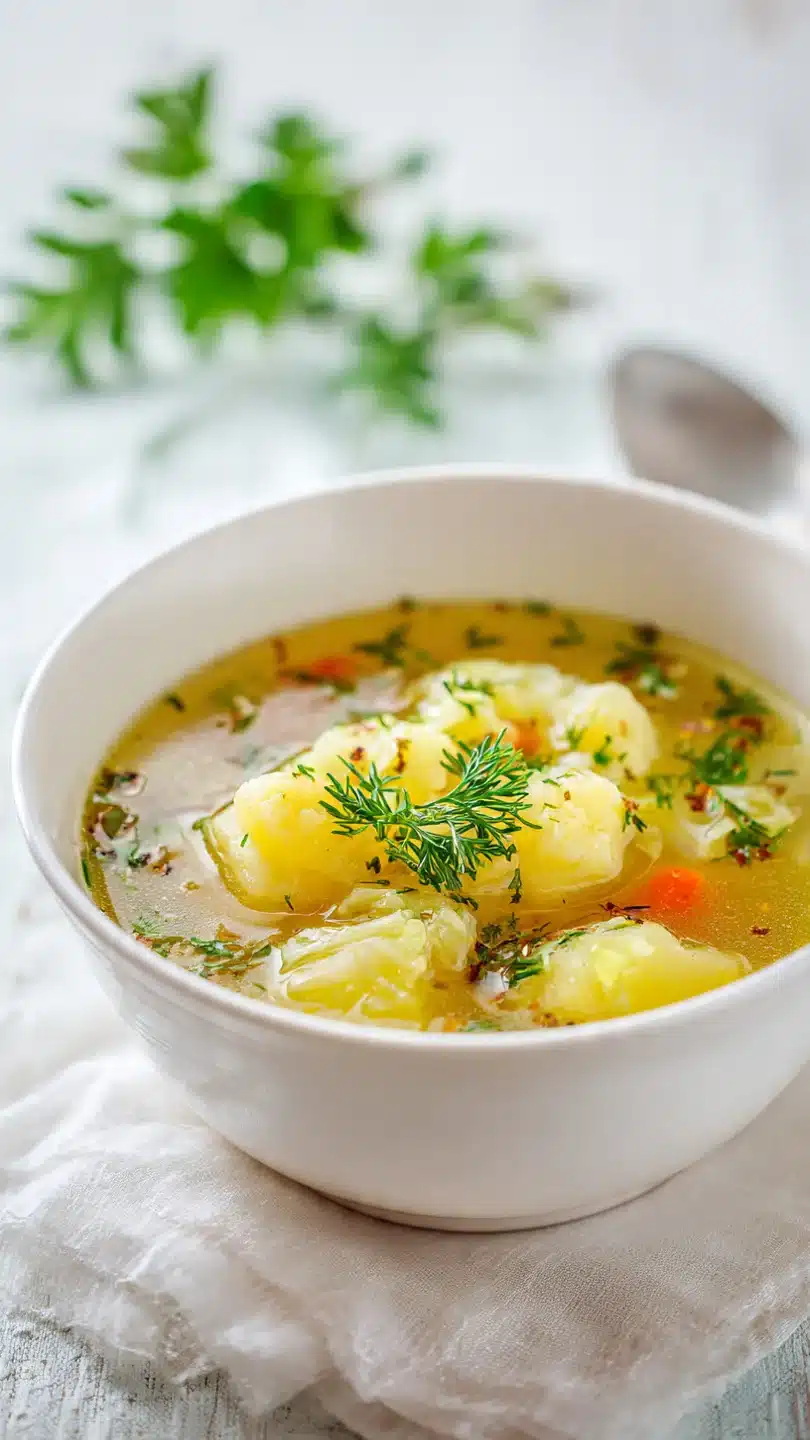
Hearty Potato and Cabbage Soup
Ingredients
Equipment
Method
- In a large Dutch oven or heavy-bottomed pot, heat the olive oil or butter over medium heat. Add the diced onion, celery, and carrots. Cook, stirring occasionally, for 6-8 minutes until the vegetables have softened and the onion is translucent. Add the minced garlic and cook for 1 more minute until fragrant.
- Add the thinly sliced cabbage to the pot. It will seem like a lot, but trust me, it wilts down significantly. Stir to combine with the other vegetables and cook for 5-7 minutes, stirring occasionally, until the cabbage has softened and reduced in volume by about half.
- Add the cubed potatoes, broth, bay leaves, and dried thyme to the pot. Season generously with about 1 teaspoon of salt and 1/2 teaspoon of pepper. Bring the soup to a boil, then immediately reduce the heat to maintain a gentle simmer.
- Cover the pot partially with a lid and let the soup simmer for 20-25 minutes. The potatoes should be completely tender when pierced with a fork. This is the simmering stage where all the flavors meld together beautifully.
- Once the potatoes are tender, remove the pot from the heat. Discard the bay leaves. Stir in the apple cider vinegar or lemon juice. This is my pro tip—the touch of acidity brightens the entire soup and balances the earthy flavors. Taste and adjust seasoning with more salt and pepper if needed.
- Ladle the hot soup into bowls. Garnish generously with fresh chopped parsley or dill. For a richer finish, you can add a dollop of sour cream or a drizzle of good olive oil. Serve immediately with crusty bread for dipping.


