
Slow Cooker Black-Eyed Peas
The aroma of slow cooker black-eyed peas simmering away is enough to make anyone’s mouth water. This comforting dish brings together the heartiness of Southern cuisine with the ease of slow cooking, creating a meal that’s both satisfying and nutritious. Whether you’re looking for a cozy dinner on a chilly evening or a dish to bring to a potluck, these black-eyed peas are sure to impress.
The flavors meld together beautifully, resulting in a dish that’s rich, slightly smoky, and full of warmth.
Why You’ll Love This Recipe- Easy to Make: With just 15 minutes of prep, the slow cooker does all the work.
- Flavorful and Hearty: The combination of smoked paprika, thyme, and a hint of cayenne creates a deep, satisfying taste.
- Nutritious: Packed with fiber, protein, and essential nutrients from black-eyed peas.
- Versatile: Easily customizable with different spices or additional ingredients.
- Comforting: Perfect for a cozy meal that feels like a hug in a bowl.
- Diet-Friendly: Suitable for vegetarian, vegan, and gluten-free diets.
Let’s gather our ingredients—these simple pantry staples create magic together in the slow cooker.
For the Peas:- Dried black-eyed peas: These are the star of the show. Look for high-quality, dried peas for the best texture and flavor.
- Vegetable broth: Choose a low-sodium option to control the saltiness of the dish.
- Diced tomatoes: Canned tomatoes add a nice acidity and depth to the peas.
- Onion: A large, chopped onion provides a sweet base flavor.
- Green bell pepper: Diced, it adds a subtle sweetness and color.
- Garlic: Minced garlic enhances the overall flavor profile.
- Smoked paprika: This adds a smoky depth without overpowering the peas.
- Dried thyme: A classic herb that pairs well with the other flavors.
- Bay leaf: Infuses a subtle, earthy flavor.
- Cayenne pepper: Optional, for those who like a bit of heat.
- Salt and black pepper: To taste, for seasoning.
- Fresh parsley: Optional, for a fresh garnish.
When selecting your ingredients, opt for high-quality dried black-eyed peas, as they will hold their shape better during the long cooking process. If you can’t find black-eyed peas, you can substitute with other dried beans like navy or pinto, though the flavor will be slightly different.

Note: You’ll find the complete list of ingredients, along with their exact measurements, in the printable recipe card at the bottom of this post.
To make this slow cooker black-eyed peas recipe, you’ll need:
- Slow cooker: At least 4 quarts in size to accommodate all the ingredients.
- Colander: For rinsing the peas before cooking.
- Cutting board and knife: To chop the onion, bell pepper, and garlic.
If you don’t have a slow cooker, you can adapt this recipe for a Dutch oven or large pot, simmering on the stove for about 1.5 to 2 hours until the peas are tender.
How to Make Slow Cooker Black-Eyed Peas Recipe
Step 1: Prepare the Black-Eyed Peas
Start by rinsing the black-eyed peas under cold water in a colander. Sort through them to remove any debris or stones. This step ensures your peas cook evenly and safely.
Trust me, taking the time to rinse and sort is worth it!
Step 2: Combine Ingredients in the Slow Cooker
Add the rinsed peas to the slow cooker along with the chopped onion, diced green bell pepper, and minced garlic. Pour in the vegetable broth and the can of diced tomatoes with their juices. Believe me, the combination of these ingredients creates a flavorful base for the peas.
Step 3: Season and Stir
Stir in the smoked paprika, dried thyme, bay leaf, and cayenne pepper if you’re using it. Season with salt and black pepper to taste. Tip from me: the smoked paprika adds a wonderful depth of flavor, so don’t skip it!
Step 4: Cook Low and Slow
Cover the slow cooker and set it to cook on low for 6 hours. Now comes the fun part—letting the slow cooker work its magic. The peas will become tender, and the flavors will meld together beautifully.
Step 5: Final Touches and Serve
After 6 hours, remove the bay leaf and give the peas a taste. Adjust the seasoning if needed. Serve hot, garnished with fresh parsley if you like.
Step back and admire the rich, comforting dish you’ve created!
Professional Tips & Techniques Pro tip: To ensure the peas cook evenly, make sure they are fully submerged in the liquid. If needed, add a bit more broth or water. Temperature matters: The slow cooker should reach a safe temperature of 165°F to kill any harmful bacteria. Use a food thermometer to check if you’re unsure. Timing is key: Check the peas for doneness around the 5-hour mark. Overcooking can make them mushy, so it’s better to err on the side of caution. Common mistake to avoid: Don’t add salt to the peas before cooking, as it can toughen them. Season after cooking for the best texture. Visual cues: The peas should be tender but still hold their shape. The broth should be flavorful and slightly thickened. Recipe Variations & Customizations Meat Lover’s Version: For a meatier dish, add a smoked ham hock or a few strips of bacon to the slow cooker at the beginning of cooking. The meat will infuse the peas with a rich, smoky flavor. Spicy Kick: Increase the amount of cayenne pepper or add diced jalapeños for a spicier version. This adds a nice heat that complements the other flavors. Herb Infusion: Add fresh herbs like thyme or rosemary during the last hour of cooking for an extra burst of freshness. Vegetarian Delight: Keep it vegetarian by using vegetable broth and adding more vegetables like carrots or celery for added texture and nutrition. Vegan Friendly: Ensure the vegetable broth is vegan-friendly, and you’ll have a completely plant-based meal. Low-Carb Option: Reduce the amount of peas and increase the vegetables to lower the carb content while maintaining the dish’s heartiness. What to Serve With This RecipeSlow cooker black-eyed peas are incredibly versatile. Serve them over rice for a hearty meal, or pair them with cornbread to soak up the delicious broth. For a lighter option, serve them with a side salad dressed with a vinaigrette.
They also make a great addition to a potluck or family gathering, especially during the New Year’s celebrations, as they’re considered a symbol of good luck. For beverages, a glass of iced tea or a light beer complements the flavors well.
Storage & Make-Ahead InstructionsStore any leftovers in an airtight container in the refrigerator for up to 3-4 days. For longer storage, freeze the peas in a freezer-safe container for up to 3 months. To reheat, thaw overnight in the refrigerator and warm on the stove or in the microwave, adding a splash of broth if needed to maintain the dish’s consistency.
You can also make this recipe ahead of time; simply prepare the ingredients and store them in the refrigerator overnight. In the morning, combine everything in the slow cooker and start cooking.
Nutritional BenefitsBlack-eyed peas are a nutritional powerhouse. They’re high in fiber, which aids in digestion and helps maintain heart health. They also provide a good source of plant-based protein, making them an excellent choice for vegetarians and vegans.
Additionally, black-eyed peas are rich in essential vitamins and minerals like folate, iron, and potassium, contributing to overall well-being.
Frequently Asked Questions Q: Can I make this ahead of time?Yes, you can prepare the ingredients the night before and store them in the refrigerator. In the morning, combine everything in the slow cooker and start cooking.
Q: Can I use canned black-eyed peas instead of dried?While you can use canned peas, the texture and flavor won’t be the same. If using canned, reduce the cooking time to about 2 hours and use less broth.
Q: How do I know when the peas are done?The peas should be tender but still hold their shape. They should not be mushy. Taste them after 5 hours and continue cooking if needed.
Q: Can I freeze this recipe?Yes, you can freeze the cooked black-eyed peas in a freezer-safe container for up to 3 months. Thaw overnight in the refrigerator before reheating.
Q: What can I substitute for smoked paprika?If you don’t have smoked paprika, you can use regular paprika and add a bit of liquid smoke for the smoky flavor.
Q: How can I adjust the flavor?You can adjust the flavor by adding more or less cayenne pepper, or by incorporating different herbs and spices like cumin or oregano.
Q: Can I add other vegetables?Absolutely! Feel free to add carrots, celery, or even spinach during the last hour of cooking for added nutrition and flavor.
Q: What if my peas are too mushy?To avoid mushy peas, check them around the 5-hour mark and stop cooking once they’re tender. If they become mushy, you can still enjoy them as a hearty soup.
Recipe Origin or HistoryBlack-eyed peas have a rich history in Southern cuisine, particularly in African American culture. They’re traditionally eaten on New Year’s Day to bring good luck and prosperity. This slow cooker version is a modern take on the classic dish, making it easier to prepare while still honoring its roots.
Final ThoughtsSlow cooker black-eyed peas are a testament to the magic of simple ingredients and slow cooking. This recipe is easy to make, packed with flavor, and offers numerous health benefits. Whether you’re looking for a comforting meal or a dish to share with friends and family, these black-eyed peas are sure to become a favorite.
Give it a try and let me know what you think! Don’t forget to rate the recipe and share your experience on social media. Enjoy this hearty, flavorful dish with a side of cornbread and a smile.
Happy cooking!
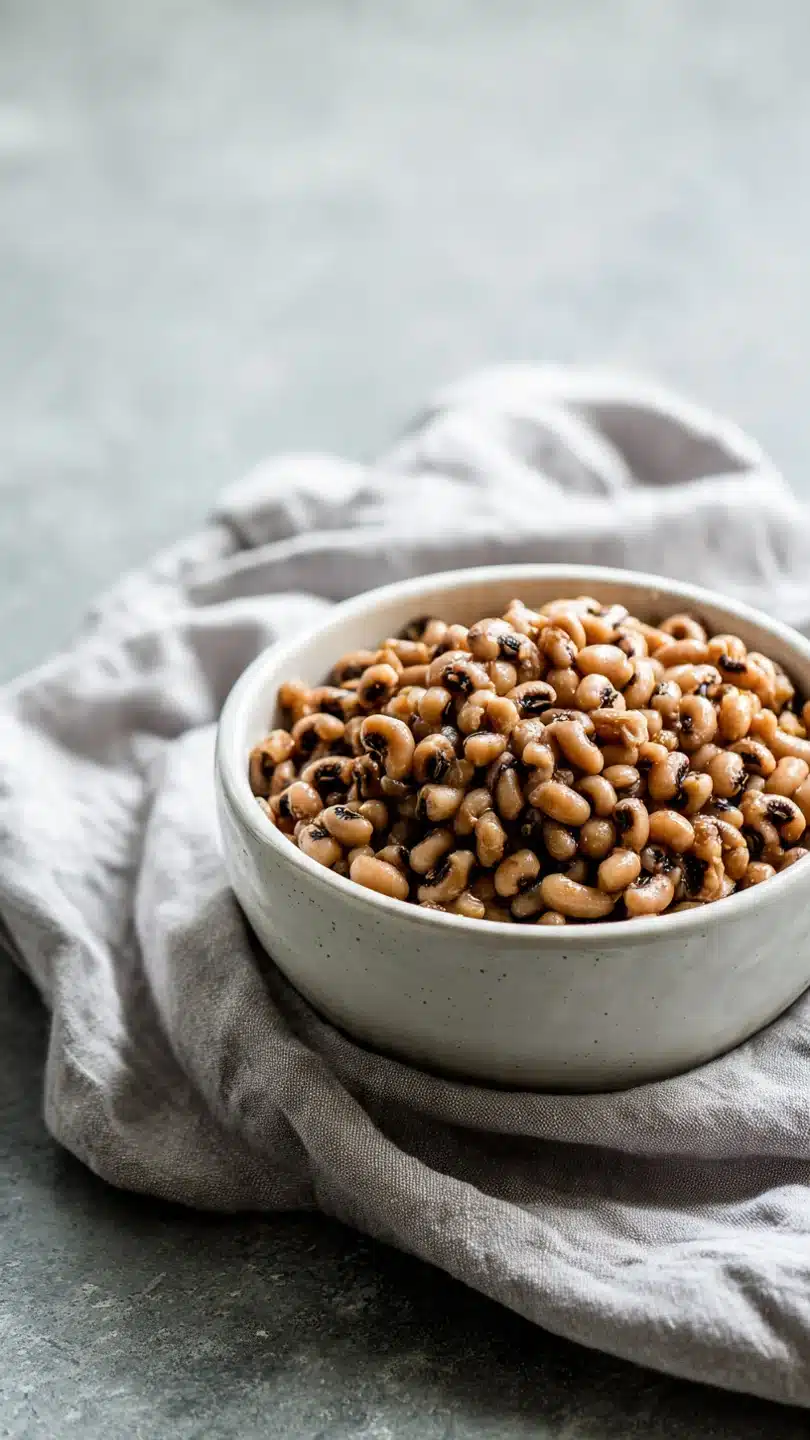
Slow Cooker Black-Eyed Peas
Ingredients
Equipment
Method
- Rinse the black-eyed peas under cold water and sort through them to remove any debris. Place the peas in the slow cooker.
- Add the chopped onion, diced green bell pepper, and minced garlic to the slow cooker. Pour in the vegetable broth and diced tomatoes with their juices.
- Stir in the smoked paprika, dried thyme, bay leaf, and cayenne pepper if using. Season with salt and black pepper to taste.
- Cover the slow cooker and cook on low for 6 hours or until the peas are tender and the flavors have melded together.
- Once cooked, remove the bay leaf and taste for seasoning, adjusting if necessary. Serve hot, garnished with fresh parsley if desired.


